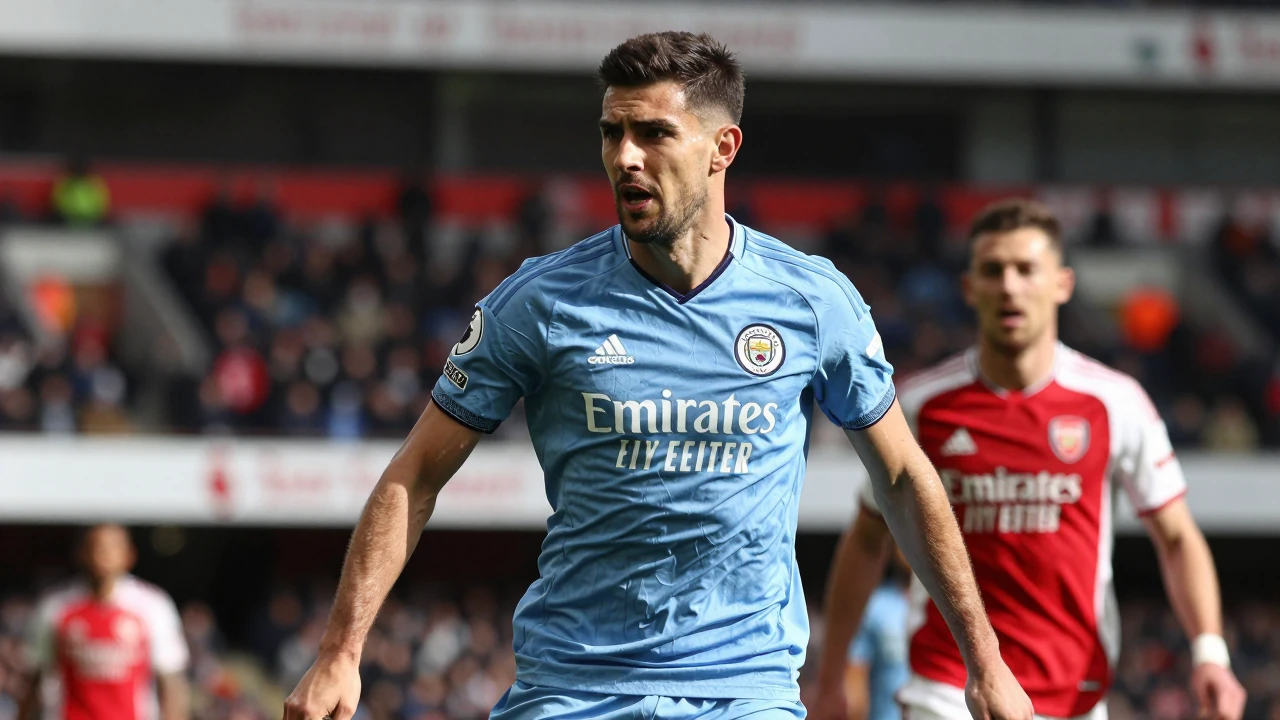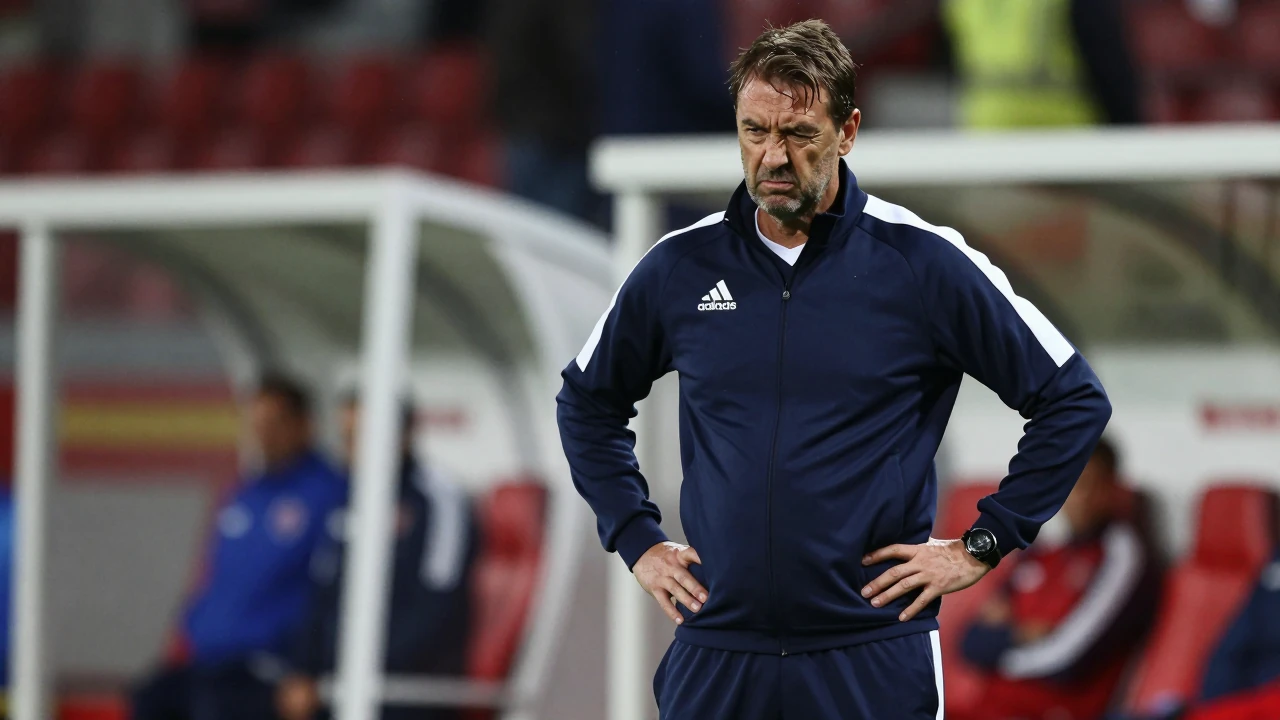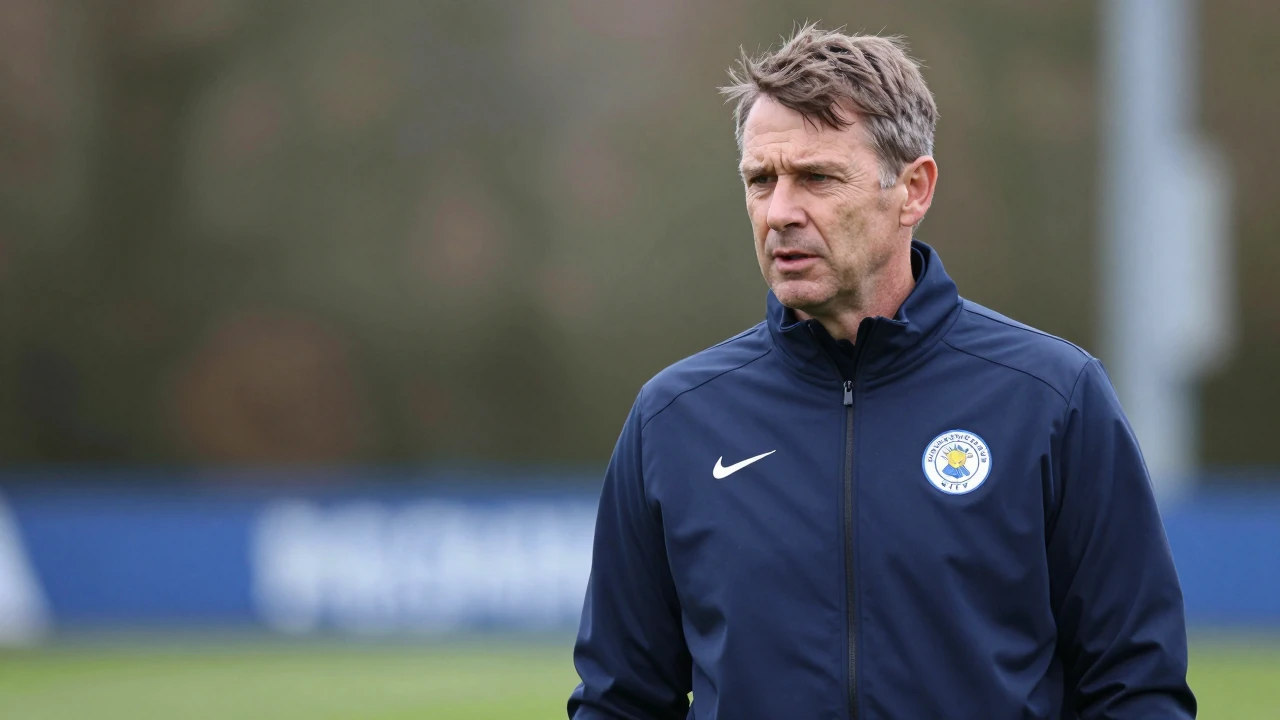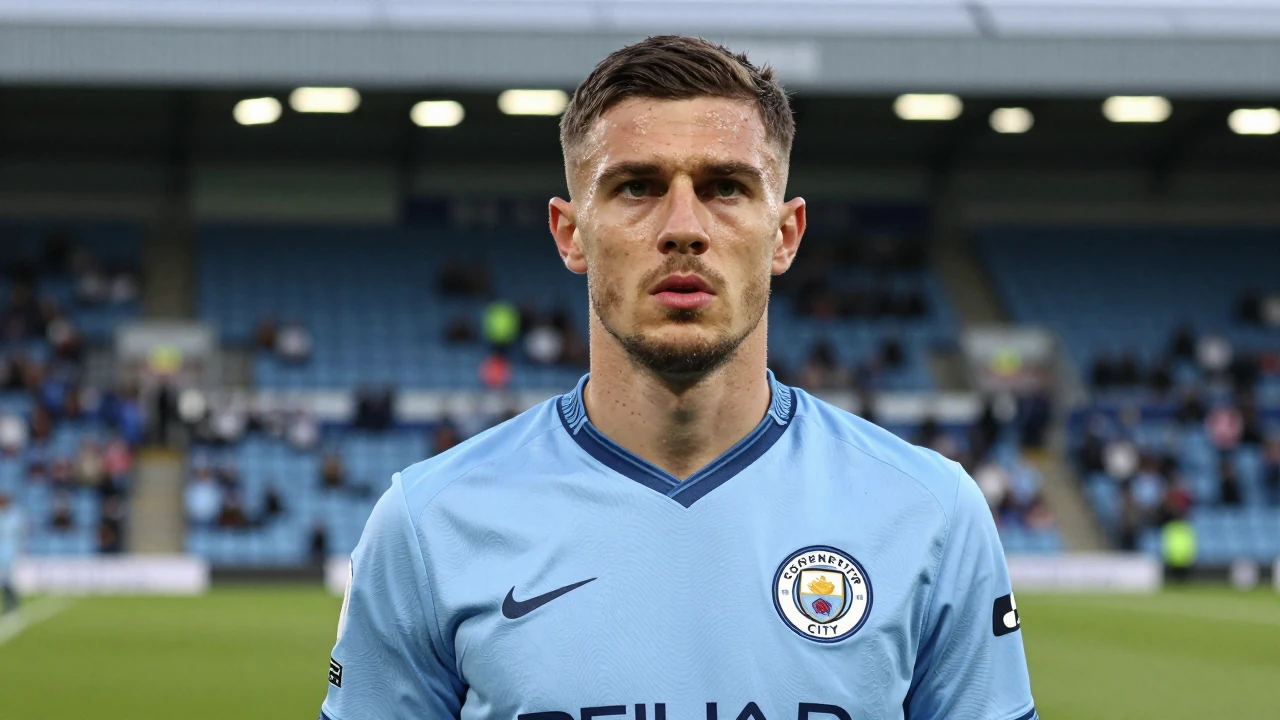
Coventry City have completed an extraordinary journey back to the Premier League, 25 years after their painful relegation in 2001. The club's return to the top flight follows a period of severe turmoil that included administration and exile from their own stadium.
This week, a report from The Athletic detailed the club's dramatic fall and rise. The Sky Blues begin their new Premier League campaign with a trip to face champions Arsenal. Their final 2025 Championship table shows a dominant performance: they finished first with 86 points from 43 games, claiming a record of 25 wins, 11 draws, and 7 losses. They ended the season 11 points clear of Ipswich Town at the summit.
Coventry City's 34-year stay in the top division ended in May 2001 with a 3-2 defeat to Aston Villa at Villa Park. Fan John Mullaney, now 69, recalled the moment. "It was just a message to the Villa fans because I worked with a lot of them and they had been mickey-taking all week," he said. The club had not played in the second tier since 1967. What followed was a quarter-century of struggle. The team suffered three relegations, entered administration once, and endured two separate periods where they were forced to play home matches outside Coventry.
The club's troubles were deeply tied to its stadium. After 106 years at Highfield Road, they moved to the new Ricoh Arena in 2005, a move that was five years behind schedule. The stadium was funded almost entirely by Coventry City Council and the Alan Edward Higgs Charity, owned by a joint venture called Arena Coventry Limited (ACL). Coventry became tenants, paying around £100,000 a month in rent.
Hedge fund SISU Capital bought the club in 2007, with Iain Dowie as manager, amid a threat of administration. Dave Eyles, former chairman of the supporters' Sky Blue Trust, reacted to the news at the time. "I was abroad at the time and I was cheering the news, thinking we had been saved, only to realise we had actually done a deal with the devil," Eyles said. Relations with the stadium owners soured. SISU began withholding rent payments, leading to a major dispute with the council.
Coventry were relegated to the third tier in April 2012 for the first time since 1964. The situation escalated in March 2013 when the club entered administration, citing an inability to pay a £1.3 million rent bill. The English Football League approved, with 'deep regret', a move to play home games 35 miles away at Sixfields Stadium in Northampton for three seasons. Average attendance plummeted from 21,302 in their first Ricoh season to just 2,348 as fans boycotted the exile, with a small group even watching from a hill overlooking the ground.
A series of managers tried to steady the ship during the chaos, including Steven Pressley and Tony Mowbray. The key figure, however, was Mark Robins. He returned for a second spell as manager in March 2017, shortly after which the club was relegated to the fourth tier. Yet, Robins immediately sparked a revival. Coventry won the EFL Trophy at Wembley in 2017 and then won promotion from League Two on the first attempt, beating Exeter City in the 2018 play-off final.
The club eventually returned to the Ricoh Arena, but it was later sold to rugby union club Wasps. The current era began when Doug King bought the club from SISU. He appointed former Chelsea and England midfielder Frank Lampard as manager. Under this new leadership, the team's attacking prowess was clear last season, scoring 85 goals and conceding 43 for a +42 goal difference. You can review the full season statistics on our stats page.
Coventry City's promotion is a story of resilience. After years of uncertainty, the club is now stable under Doug King's ownership and led by a high-profile manager in Frank Lampard. The opening fixture against Arsenal is a symbolic full-circle moment, pitting the newly-promoted side against the established champions. The club's recent form, ending the season with a sequence of draws and wins (DDDWW), showed the consistency needed for a title challenge.
Fans can now look forward to a Premier League fixtures list for the first time in a generation. The journey from the depths of League Two to the top flight, overcoming exile and financial peril, is complete. The focus shifts to consolidating their place among England's elite, building on the solid foundation of last season's Championship-winning squad.